Due Diligence Checklist: What to Verify Before You Buy in Salento
The single biggest risk in an Italian property purchase isn’t the price — it’s discrepancies between what a property is on paper and what actually exists on the ground. Older properties among Salento’s listings in particular frequently carry decades-old undeclared modifications, unresolved title issues, or cadastral records that no longer match reality. None of this is unusual, and none of it should stop you buying — as covered in our overview of how to buy property in Puglia as a foreigner — but it all needs to be checked and resolved before you sign, not after.
1. Cadastral Conformity (Conformità Catastale)
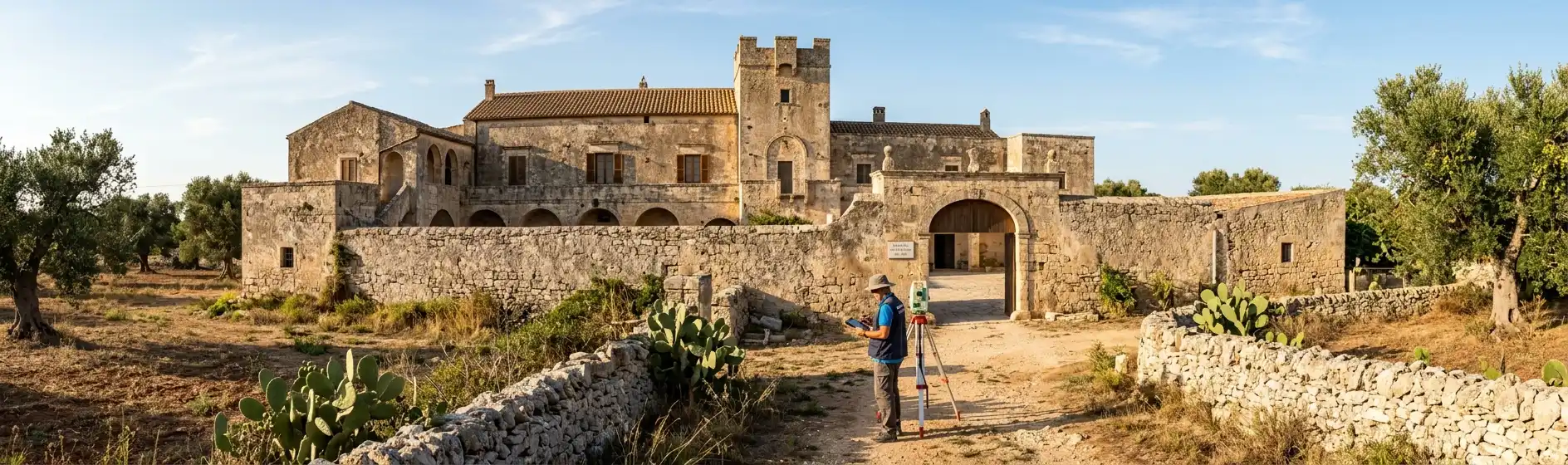
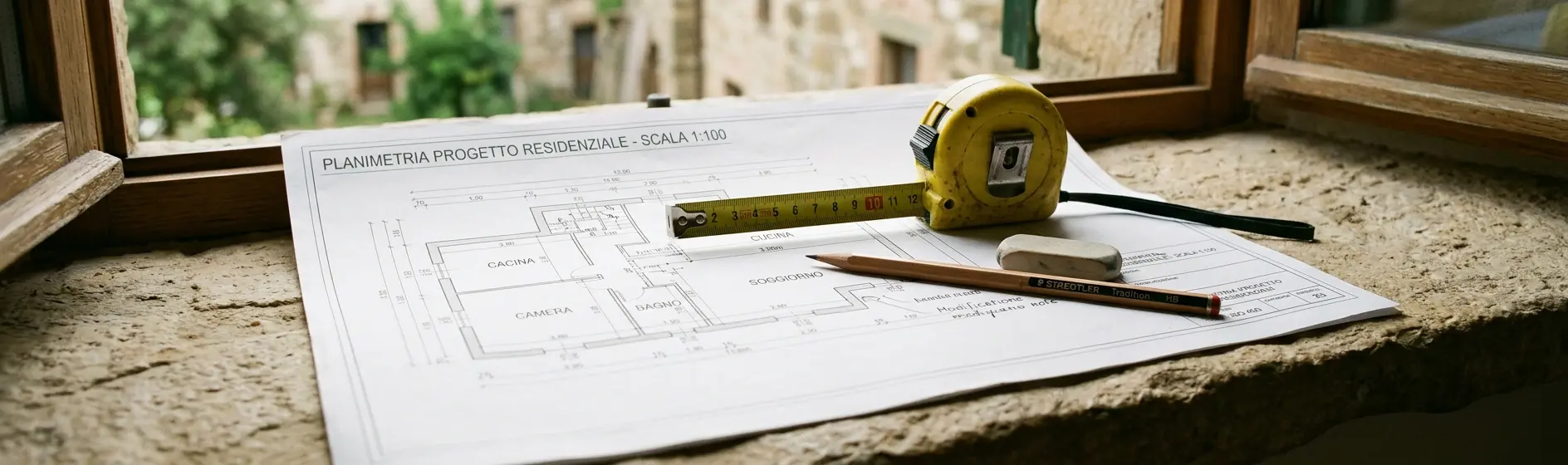
The planimetria catastale — the official floor plan on file — must match the property as it physically stands. Extensions, merged rooms, or moved internal walls that were never formally updated in the catasto are extremely common in older Salento properties, especially trulli and masserie that have been informally modified over generations. Your geometra or notary checks this by comparing the registered plan against a physical survey; discrepancies must be resolved (via a formal update, or in some cases retroactive permits) before the rogito.
2. Urbanistic Compliance (Conformità Urbanistica)
Separate from the cadastral record, this checks whether all structures and modifications were built with proper planning permission in the first place. An extension that exists on the cadastral plan can still be urbanistically non-compliant if it was never actually permitted. Where non-compliance exists, Italy’s periodic amnesty laws (condono edilizio) may allow retroactive regularisation for a fee — but this needs to be identified and priced into your offer, not discovered after completion.
3. Title and Encumbrance Check (Visura Ipotecaria)
This confirms the seller genuinely owns the property outright and reveals any existing mortgages (ipoteche), liens, or legal claims registered against it — worth checking alongside our guide to property taxes in Italy for foreigners so you understand the full cost picture before completion. An outstanding mortgage on the seller’s side is common and manageable — it is typically settled from the sale proceeds at the rogito — but it must be identified in advance so the notary can structure the completion correctly.
4. Landscape and Historic Constraints (Vincolo)
Particularly relevant for masserie, trulli and rural properties: a vincolo paesaggistico (landscape protection) or vincolo storico-artistico (historic protection) restricts what modifications are permitted and can require specific materials or techniques for any future work. This doesn’t necessarily reduce a property’s value, but it changes what you’re allowed to do with it — essential to know before you plan a renovation.
5. Boundary and Land Registry Accuracy
For properties with land — masserie, countryside villas, anything with a garden or olive grove — confirm the actual boundaries on the ground match the registered plot. Disputes with neighbours over boundary lines are one of the more common post-purchase surprises for foreign buyers unfamiliar with how rural Italian land has historically been subdivided and informally adjusted.
6. Pre-emption Rights (Prelazione)
Agricultural land in particular can carry prelazione agraria — a legal right of first refusal for neighbouring farmers or existing tenants. If this applies, the sale process includes a formal notification period before you can complete, which needs to be factored into your timeline.
Who Actually Does This Work
Your notary is legally required to verify title and encumbrances before the rogito — one of the notary costs you’re paying for — this is a core protection built into the Italian system. A separate geometra (surveyor) typically handles the cadastral and urbanistic checks, and an independent lawyer is worth engaging for anything beyond a straightforward resale, particularly on rural properties with land or historic protection status. This due diligence window sits inside the wider preliminare-to-rogito purchase timeline — it should be well underway before the final signing date is fixed.
Frequently Asked Questions
Does the notary check everything for me automatically?
The notary verifies title and encumbrances as a legal requirement before completing the deed, but cadastral and urbanistic conformity checks are typically the responsibility of a geometra you engage separately — don’t assume the notary covers everything.
What happens if a discrepancy is found after I’ve already signed the preliminare?
Depending on the contract terms, undisclosed material defects discovered during due diligence can be grounds to renegotiate the price, require the seller to resolve the issue before completion, or in some cases withdraw without losing your deposit — this is exactly why due diligence needs to happen in the gap between preliminare and rogito, not skipped.
Are these issues more common in trulli and masserie than in modern apartments?
Generally yes — older rural properties have had more time and more informal modifications to accumulate discrepancies. New-build apartments sold directly by developers carry far lower risk on this front.
Sources: Consiglio Nazionale del Notariato — verifiche preliminari all’acquisto immobiliare; Agenzia delle Entrate — catasto e conformità urbanistica.
Free: The Salento Buyer's Checklist & Cost Breakdown
Know exactly what buying property in Salento costs — before you make an offer. Get the free 2026 checklist and total-cost breakdown by email.