Energy Ratings & the EU Green Homes Directive: Salento Buyer Guide
Energy performance used to be a footnote in Italian property transactions — a certificate filed away and rarely discussed. That’s changing. Between rising energy costs and the EU’s push to decarbonise the housing stock, the energy class of a property is increasingly something buyers factor into price negotiations, not just paperwork they sign at closing. Here’s what actually matters if you’re buying in Salento in 2026.
What Is the APE and Why It Matters
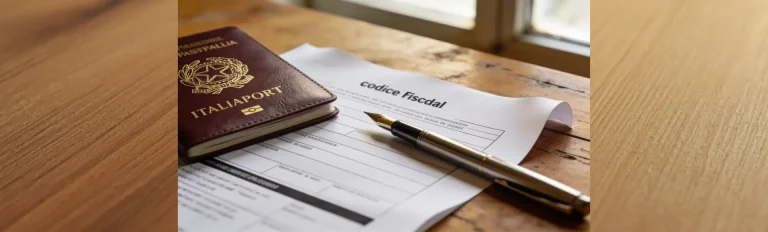
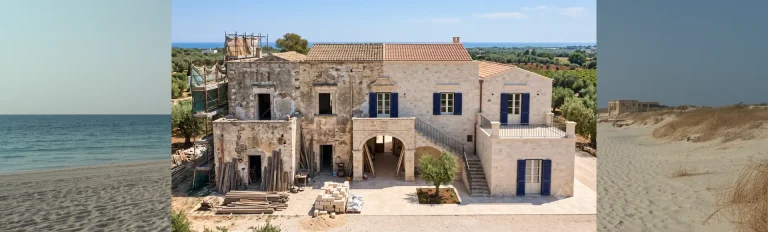
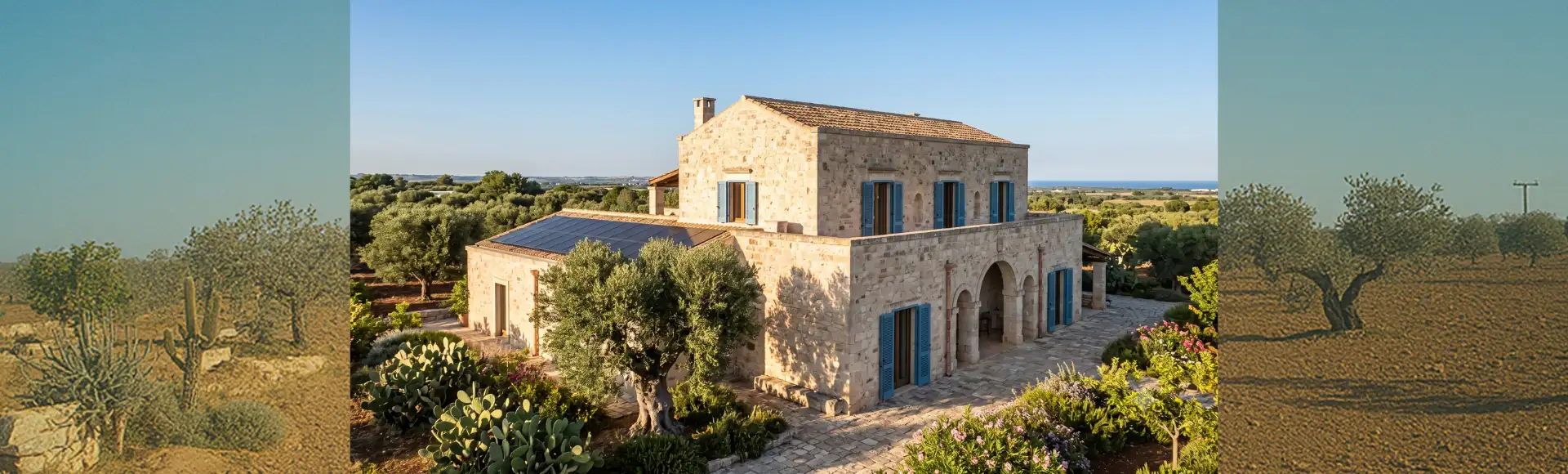
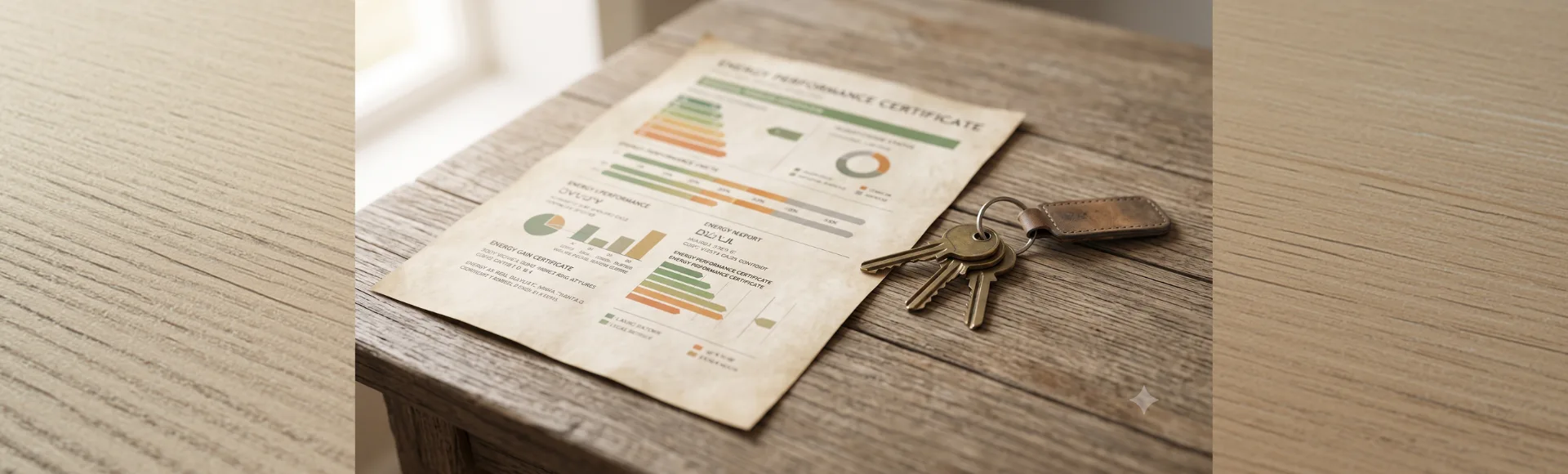
The Attestato di Prestazione Energetica (APE) is Italy’s mandatory energy performance certificate, rating a property from A4 (most efficient) to G (least efficient), similar in concept to EPC ratings in the UK. It must be provided by the seller before or at the preliminary contract stage, and it should already appear in property listings. For older buildings — and a large share of Salento’s most characterful properties, from centro storico apartments to trulli and masserie, fall into this bracket — a class of F or G is common rather than exceptional. That isn’t a reason to avoid a property, but it is a number that belongs in your budget from day one, not a surprise you discover after buying.
The EU Green Homes Directive — Where Italy Stands in Mid-2026
The Energy Performance of Buildings Directive (EPBD IV, EU 2024/1275) entered into force in May 2024 and set a transposition deadline of 29 May 2026 for member states. Italy missed it. As of mid-2026, Italy has not adopted a formal implementing decree, has not submitted its National Building Renovation Plan, and the European Commission has opened infringement procedures over the delay — among the four major economies most closely tracked on this file, Italy is currently the furthest behind.
The direction of travel is nonetheless clear: the directive sets national targets to cut average residential energy consumption by 16% by 2030 and 20–22% by 2033, with priority given to the least efficient buildings — exactly the F and G class properties common across Salento’s historic housing stock. The practical rules for Italian homeowners (renovation deadlines, financing support, any exemptions for historic buildings) are still being worked out at national level, and buyers should expect this to develop over the next one to two years rather than treating today’s uncertainty as a final answer.
What This Means If You’re Buying an Older Property
Three things follow from where things currently stand:
Don’t over-react to a low energy class today — implementation is still pending in Italy, there is no immediate legal obligation forcing owners to retrofit on a fixed short-term deadline, and historic or protected buildings (many masserie and trulli) typically receive some form of exemption or adapted treatment in EU member states’ national plans.
Do factor future retrofit costs into your offer. A property in class F or G will very likely need insulation, glazing or heating system upgrades at some point over the next decade — either for your own comfort and running costs, or in response to future national requirements. Use this as a legitimate point in price negotiation rather than ignoring it.
Watch for national incentive schemes as they’re announced. As Italy finalises its implementation of the directive, expect renovation incentive programmes to evolve — potentially overlapping with, or replacing, existing bonus ristrutturazioni schemes. It’s worth checking the current state of incentives with a local commercialista at the time you plan works, not relying on what’s available today.
Practical Checklist Before You Buy
- Always request the APE certificate before making an offer, not after — it should be provided as standard.
- Ask what the energy class is based on — heating system, insulation, windows — so you understand what’s driving the rating, not just the letter grade.
- Get a rough retrofit estimate from a local architect or energy consultant if the class is F or G and you plan to use the property year-round.
- Use the energy class as a negotiating point, particularly on properties that have been on the market for a while.
- Check for any protection status (vincolo) on historic properties — this affects both what retrofit work is permitted and what future obligations may or may not apply.
Frequently Asked Questions
Do I have to upgrade the energy class of a property I buy in Salento?
Not immediately. Italy has not yet finalised its national implementation of the EU Green Homes Directive, so there is no current fixed deadline forcing individual homeowners to retrofit. That said, the direction of EU policy is clear, and buyers should expect requirements and incentives to develop over the coming years.
Are trulli and masserie exempt from energy efficiency rules?
Historic and protected buildings typically receive some form of exemption or adapted treatment under EU member states’ national renovation plans, but Italy’s specific rules are still being finalised. Don’t assume automatic exemption — check the protection status of the specific property and confirm with a local professional.
Should a low energy class stop me from buying a property I love?
Not on its own. It should change what you’re willing to pay and what you budget for after purchase, but a characterful older property with a poor energy rating today can often be substantially improved with a well-planned renovation — see our guide to buying a renovation project in Salento.
Free: The Salento Buyer's Checklist & Cost Breakdown
Know exactly what buying property in Salento costs — before you make an offer. Get the free 2026 checklist and total-cost breakdown by email.