Codice Fiscale and Power of Attorney: A Foreign Buyer’s Practical Guide
Two pieces of paperwork stand between a foreign buyer and a property purchase in Italy: the codice fiscale and, for anyone not planning to attend every appointment in person, a procura (power of attorney). Neither is complicated once you know the process — but both are frequently left too late, which is the single most common cause of delayed completions we see with international clients. If you haven’t yet read our overview of how to buy property in Puglia as a foreigner, start there — this guide picks up right where the paperwork gets specific.
What Is the Codice Fiscale and Why You Need It First
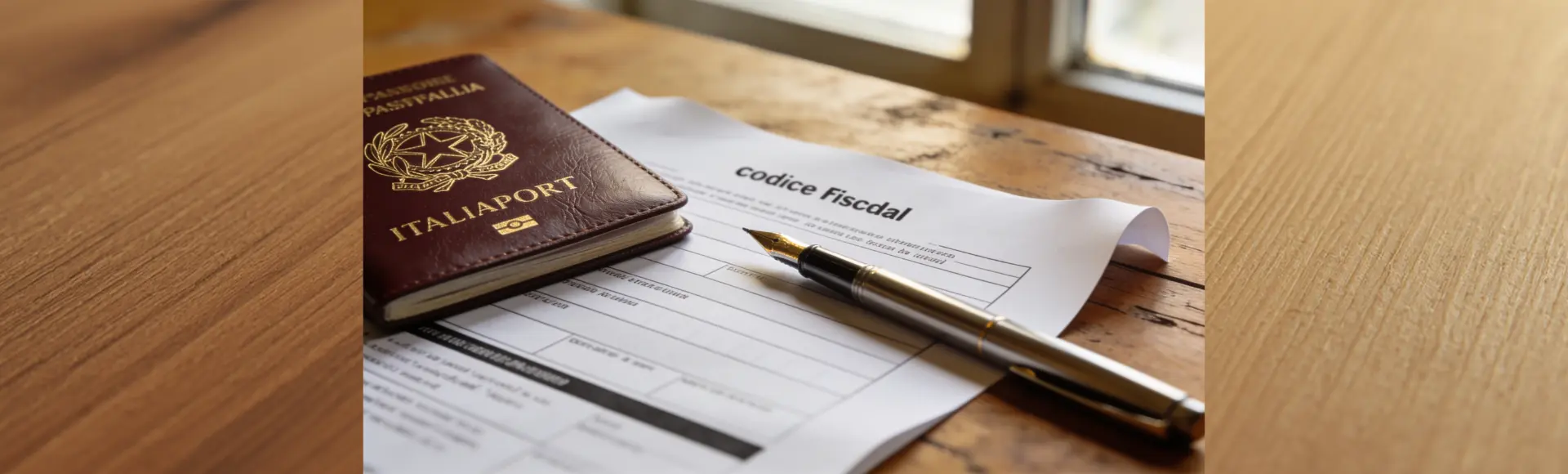
The codice fiscale is Italy’s tax identification number — a 16-character alphanumeric code required for literally every formal transaction in the country: signing a preliminare, opening a bank account, connecting utilities, and registering the final deed. Without it, nothing else can proceed. It is free to obtain and does not create any tax residency or filing obligation on its own — it is simply an identifier, though it’s also the number you’ll later use when paying property taxes in Italy as an owner.
How to Get a Codice Fiscale as a Foreign Buyer
You have two practical routes:
- Through an Italian consulate in your home country — submit form AA4/8 with a copy of your passport. Processing and appointment availability varies significantly by consulate; in high-demand consulates (UK, US, Germany) booking an appointment can itself take several weeks, so this is the step to start first, before you’ve even found a property.
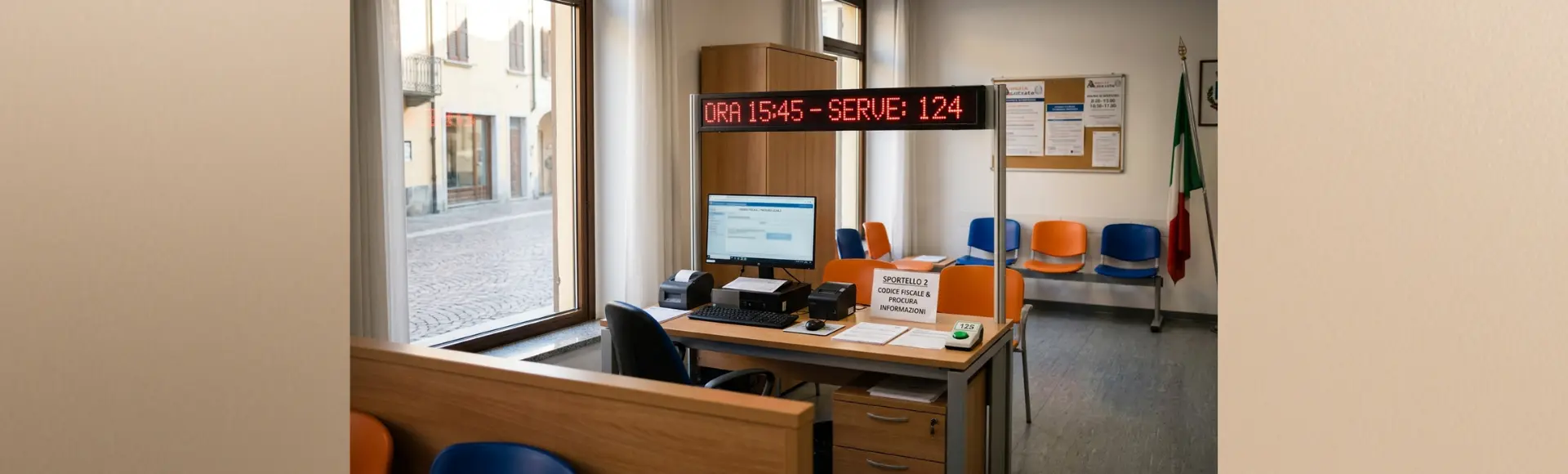
- In person at any Agenzia delle Entrate office in Italy — faster if you are already planning a viewing trip to look at properties for sale in Salento. Bring your passport; the code is often issued the same day.
Many buyers ask their Italian lawyer or the notary handling their notary costs and final deed to obtain the codice fiscale on their behalf under a limited power of attorney — a practical shortcut when you can’t get to a consulate appointment in time.
What Is a Procura and When You Need One
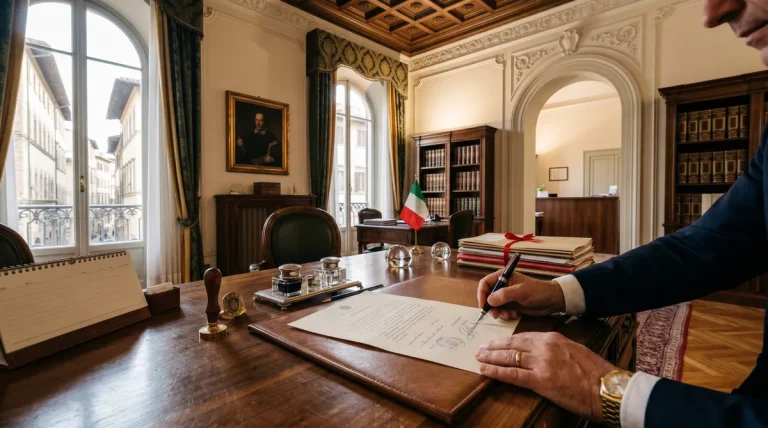
A procura (power of attorney) authorises someone else — typically your Italian lawyer — to act on your behalf for specific acts: signing the preliminare, completing due diligence, or signing the rogito itself. This is standard practice for international buyers who cannot be physically present in Italy for every stage, and does not mean giving up control of the transaction — a well-drafted procura is limited to the specific purchase and specific actions you authorise.
How to Set Up a Valid Procura from Abroad
- Draft the procura — your Italian lawyer prepares the document in Italian, specifying exactly what your representative is authorised to do.
- Sign it in front of a notary in your home country — or at the Italian consulate, which can also notarise it directly.
- Apostille it (for Hague Convention countries — this covers the UK, US, and most of Europe) — this certifies the notary’s signature is valid for use abroad, and is done through the relevant national authority (in the UK, the FCDO; in the US, the Secretary of State’s office).
- Send the original to your Italian lawyer or notary — courier, not scan, since Italian notaries generally require the physical apostilled original.
Realistic Timelines
Budget 2-6 weeks for a codice fiscale via consulate depending on your country, or same-day if obtained in Italy. Budget 2-4 weeks for a procura including apostille processing, longer around public holidays. Both processes can run in parallel with your property search and due diligence — see our full walkthrough of the preliminare-to-rogito purchase timeline for how these pieces fit together. The mistake is starting them only after the preliminare is already signed.
Frequently Asked Questions
Can I buy property in Italy without a codice fiscale?
No. It is required to sign any binding property contract, open a bank account, and register the deed. It is one of the first things to arrange, ideally before you make an offer.
Does having a codice fiscale make me an Italian tax resident?
No. It is purely an identification number. Tax residency in Italy depends on separate criteria — primarily spending more than 183 days a year in the country or registering residency at the anagrafe.
Do I need a procura if I plan to attend the signing in person?
No, if you can be physically present for both the preliminare and the rogito, a procura is unnecessary. It becomes useful the moment scheduling, travel cost, or distance makes attending every appointment impractical.
Sources: Agenzia delle Entrate — richiesta codice fiscale per cittadini stranieri; Consiglio Nazionale del Notariato — procura alle vendite immobiliari.
Free: The Salento Buyer's Checklist & Cost Breakdown
Know exactly what buying property in Salento costs — before you make an offer. Get the free 2026 checklist and total-cost breakdown by email.