Buying a Renovation Project in Salento: Complete 2026 Guide
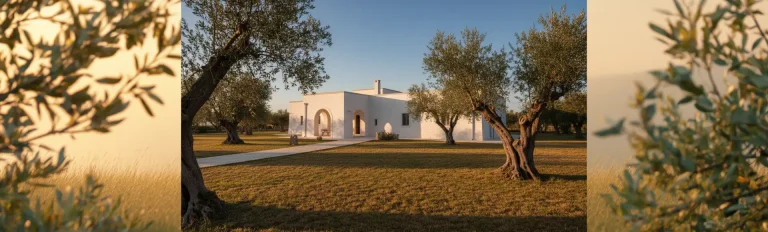
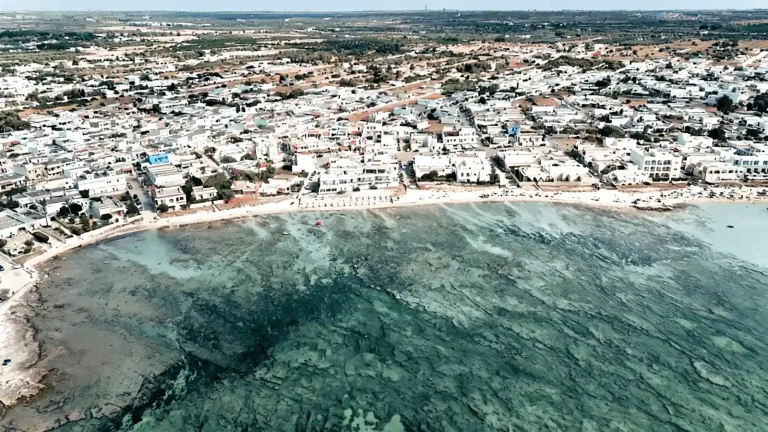
Salento still holds a category of property that has largely disappeared elsewhere in Italy: villas built in the 1960s-80s with generous room counts and private plots between 500 and 3,000+ square metres, priced well below equivalent new-build. Add in the trulli and masserie that regularly come up for restoration, and the region remains one of the last places in Western Europe where a genuine renovation project — full personalisation, existing buildable volume, land you can’t find in new developments — is still realistic for foreign buyers. Here is what that actually involves in 2026.
What Kind of Renovation Properties You’ll Find
Three categories come up most often for foreign buyers:
1960s–80s villas — typically concrete-frame houses on private land, structurally sound but dated in layout, insulation and finishes. These offer the most straightforward renovation path and the best cost-to-outcome ratio.
Trulli — the iconic conical stone structures found across the Salento and Valle d’Itria. Restoration is more specialised (dry-stone roofing, load limits) and usually costs more per square metre than a standard villa, but the resale and rental premium for a well-restored trullo is significant.
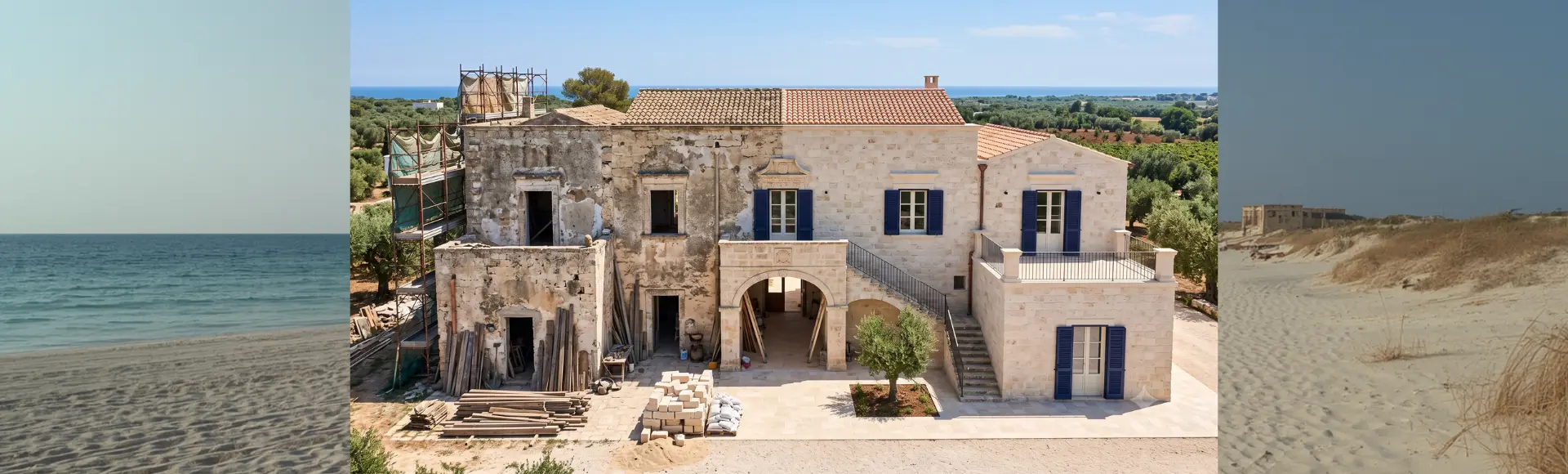
Masserie — fortified rural farmhouses, often centuries old, ranging from small single-courtyard buildings to large complexes with outbuildings and olive groves. Restoration scope and cost vary enormously depending on size, structural condition and whether the building is subject to historic/landscape protection (vincolo).
The Real Costs of Renovating in Italy
Full renovation costs in Salento vary by scope, but as a working range: a standard villa refresh (new systems, kitchen/bathrooms, finishes, no structural changes) typically runs lower per square metre than a full structural restoration of a trullo or masseria, which can run considerably higher once dry-stone roof work, structural consolidation or vincolo-compliant materials are involved. Before making an offer, get a written estimate (computo metrico) from a local geometra or architect based on the specific property — generic per-square-metre figures found online are a starting point for budgeting, not a number to rely on.
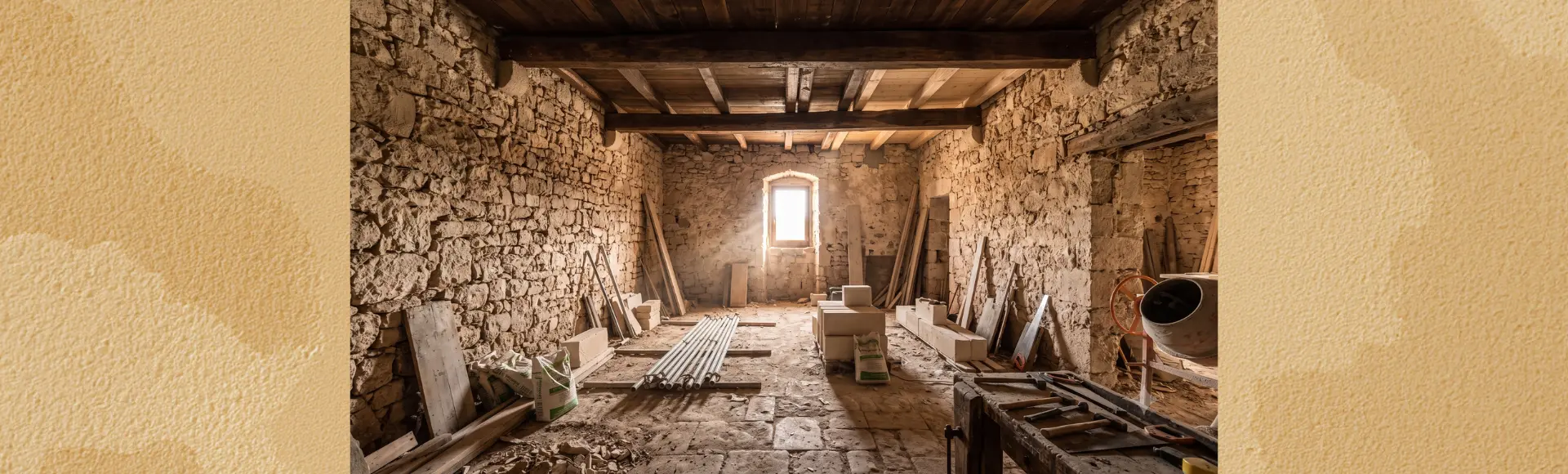
Beyond construction costs, budget for: geometra/architect fees (typically a percentage of works value), SCIA or CILA permit filings depending on scope, structural survey, and a contingency of 15–20% for older buildings — unexpected issues (foundations, roof structure, old wiring) are the norm rather than the exception once walls are opened up.
Tax Incentives — What Foreign Buyers Can Actually Claim
Italy’s renovation tax credits (bonus ristrutturazioni) are, in principle, open to non-residents: the incentive applies to IRPEF taxpayers “residenti o meno nel territorio dello Stato” — residence in Italy is not a formal requirement to claim it. But two practical points matter for foreign buyers:
The rate depends on how you use the property, not on your nationality or residence status. The higher 50% deduction applies to a primary residence (abitazione principale); a second or holiday home — which is what most foreign buyers in Salento purchase — qualifies for the lower 36% rate, up to a maximum spend base of €96,000.
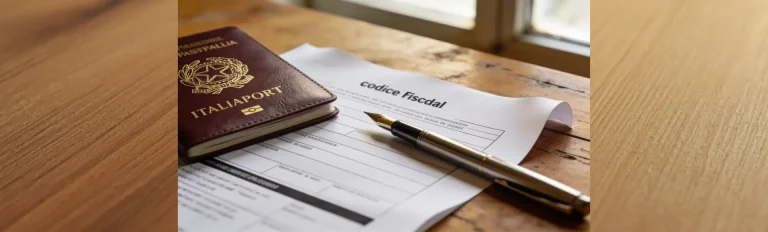
You need to be an Italian IRPEF taxpayer to use the credit. This means holding a codice fiscale and filing an Italian tax return that includes the property, since the incentive works as a multi-year deduction against Italian income tax liability. If you have no other Italian income, discuss with an Italian commercialista whether the credit is realistically usable in your situation before factoring it into your renovation budget.
In short: treat any tax incentive as a possible bonus to verify with a professional, not as a guaranteed discount on your renovation budget.
Energy Efficiency Rules to Keep in Mind
Older Salento properties — trulli and masserie especially — are almost always in the lowest energy classes (F or G) before renovation. The EU’s Green Homes Directive (EPBD IV) sets national targets for reducing average residential energy consumption, with Italy still finalising how it will implement these at a national level. A renovation is the natural moment to address insulation, glazing and heating systems together, both for comfort and to future-proof the property against requirements that are likely to tighten over the coming years. We cover this in detail in our guide to energy ratings and the Green Homes Directive in Salento.
Due Diligence Before You Buy a Renovation Project
- Commission a structural survey before making a binding offer — not after.
- Check cadastral compliance (conformità catastale). Many older Salento properties have discrepancies between the official planimetria catastale and the building as it actually stands; these must be resolved before or at the sale, and can affect timelines.
- Verify urbanistic conformity — confirm any past extensions or modifications were properly permitted.
- Check for landscape or historic constraints (vincolo), particularly on masserie and buildings in protected rural areas — these can limit what you’re allowed to change and require specific materials or techniques.
- Build in a realistic contingency — 15–20% of the renovation budget, minimum — and a realistic timeline, since permitting and skilled-trade availability in the region can extend projects beyond the initial schedule.
Frequently Asked Questions
Can foreign buyers claim Italian renovation tax credits?
Yes in principle — Italian tax residence is not required. In practice, most foreign buyers purchasing a second home qualify for the lower 36% rate (not the 50% primary-residence rate) and need an Italian codice fiscale and tax filing to use the credit. Confirm your specific situation with a commercialista before budgeting around it.
Is it cheaper to renovate a villa than a trullo or masseria?
Generally yes, per square metre. A standard concrete-frame villa from the 1960s–80s typically costs less to bring up to modern standards than a trullo or masseria, which involve specialised stonework, structural consolidation and, often, restrictions on materials and techniques due to historic or landscape protection.
How long does a full renovation typically take in Salento?
It depends heavily on scope and permitting requirements, but buyers should budget more time than an equivalent project would take in their home country — permitting, geometra coordination and trade availability all move at a different pace, and older buildings routinely reveal issues once work begins.
Free: The Salento Buyer's Checklist & Cost Breakdown
Know exactly what buying property in Salento costs — before you make an offer. Get the free 2026 checklist and total-cost breakdown by email.