Living in Salento as an Expat: What Nobody Tells You
Every year, we help dozens of British, German, Dutch, and Scandinavian buyers make the move to Salento. The ones who thrive share one thing: they went in with realistic expectations. This guide is not the glossy version you find in relocation blogs. It is what we actually tell our clients — after watching people build genuinely happy lives here since 1994, and occasionally watching others struggle because nobody warned them about the parts that are simply different from home.
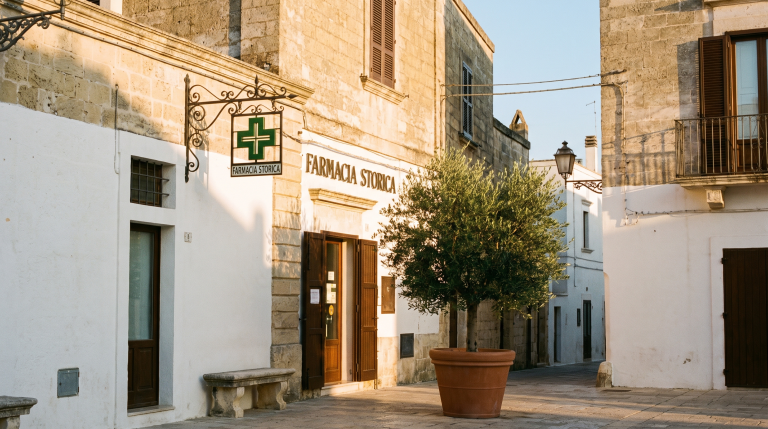
The Welcome is Genuine — and So is the Bureaucracy
Salentini are among the warmest people in Italy towards foreigners who make an effort to integrate. You will be welcomed into neighbourhoods, invited to tables, and treated with real curiosity. What nobody prepares you for is the administrative side of Italian life, which moves at its own pace and requires patience you may not know you have.
- Registering your residency (residenza) can take weeks and requires multiple visits to the Comune
- Opening a bank account as a non-resident requires a codice fiscale (Italian tax code) — get this first
- Utilities, internet contracts, and even some rental agreements require an Italian guarantor or upfront deposits
- Certified translations are required for most official documents — find a trusted local traduttore giurato early
None of this is insurmountable. Most of our clients who have gone through it laugh about it afterwards. But underestimating the time and energy it takes is the most common mistake we see in the first year.
Healthcare: Better Than You Expect, Different From Home
Once you are a registered resident in Italy, you are entitled to access the Italian National Health Service (SSN) through your local ASL (Azienda Sanitaria Locale). For most routine care, the quality is good and the cost is negligible. For specialist care, the picture is more complex.
- Register with a local GP (medico di base) at your ASL office as soon as residency is confirmed
- Public waiting times for specialist appointments can be long — most expats supplement with private insurance or pay directly for specialist visits (typically €80–€150)
- Private clinics in Lecce and in Gallipoli provide English-speaking specialists for most common needs
- Emergency care at the Lecce hospital (Vito Fazzi) is free for all residents and generally well-staffed
- Pre-existing conditions: arrange private health cover before you move and transition to SSN after registration
The Language Barrier is Real — and Not a Dealbreaker
English is not widely spoken in Salento outside the tourist-facing economy. In Lecce you will find more English speakers than in smaller towns — but at a post office, a council office, or a local hardware shop, you will need at least basic Italian or a trusted local contact who can translate.
- Invest in at least A2-level Italian before you arrive — a structured course is better than apps alone
- Salentino dialect is different from standard Italian; even Italians from other regions need time to adjust
- Local administrative support offices (patronati) can manage bureaucratic appointments on your behalf, legally and cheaply
- The expat community in Lecce includes Italian-speaking members who are usually happy to help newcomers
The clients who integrate most successfully do not wait until they arrive to start learning. Even a phrase-book level of Italian signals respect, and locals respond to that enormously.
Cost of Living: Lower Than You Think, With Caveats
Salento remains significantly cheaper than northern Italy, the UK, Germany, and the Netherlands for most day-to-day costs. Groceries, restaurants, and public services are all notably lower. But the gap is narrowing, and some imported goods or specific services can surprise you.
- Groceries: a weekly shop for two adults runs €100–€140 at a standard supermarket; local markets are cheaper and far better quality
- Restaurant dinner: €15–€25 per person at a good local trattoria; tourist-facing restaurants charge more
- Utilities (apartment, 80m²): electricity €80–€150/month depending on heating and cooling usage; gas €40–€80/month
- Car: essential outside Lecce city centre — public transport between towns is limited
- First-year admin: accountant (commercialista), notary, and legal fees add up — budget €2,000–€4,000 in your first years of residency
The Expat Community: Smaller Than You Think, Closer Than You Expect
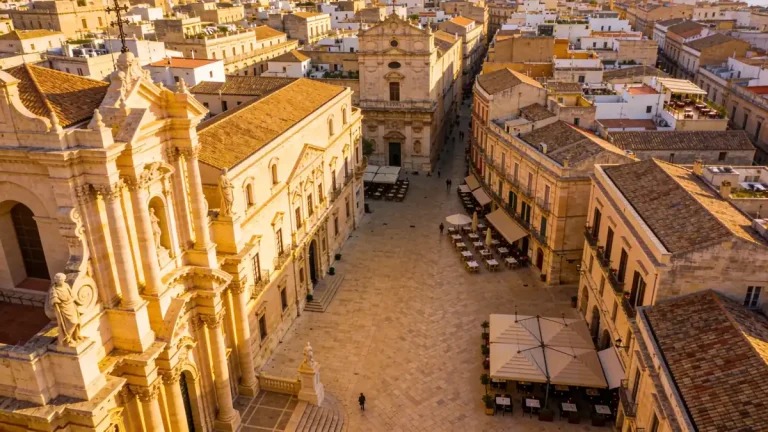
Salento has a growing but relatively small expat community compared to Tuscany or the Amalfi Coast. This is actually one of its strengths. The people who have chosen to live here have made a genuine commitment, and the community tends to be tight-knit and practical rather than the transient bubble you find in more popular expat destinations.
- Lecce has the largest English-speaking community, with informal meetup groups and active online forums
- Porto Cesareo has a smaller year-round expat population that swells significantly in summer
- German and Dutch communities are particularly established in the Porto Cesareo and Gallipoli areas
- Many expats build mixed social circles — local Italian friends plus a core group of other internationals
Seasons: Life in Salento is Not Always Summer
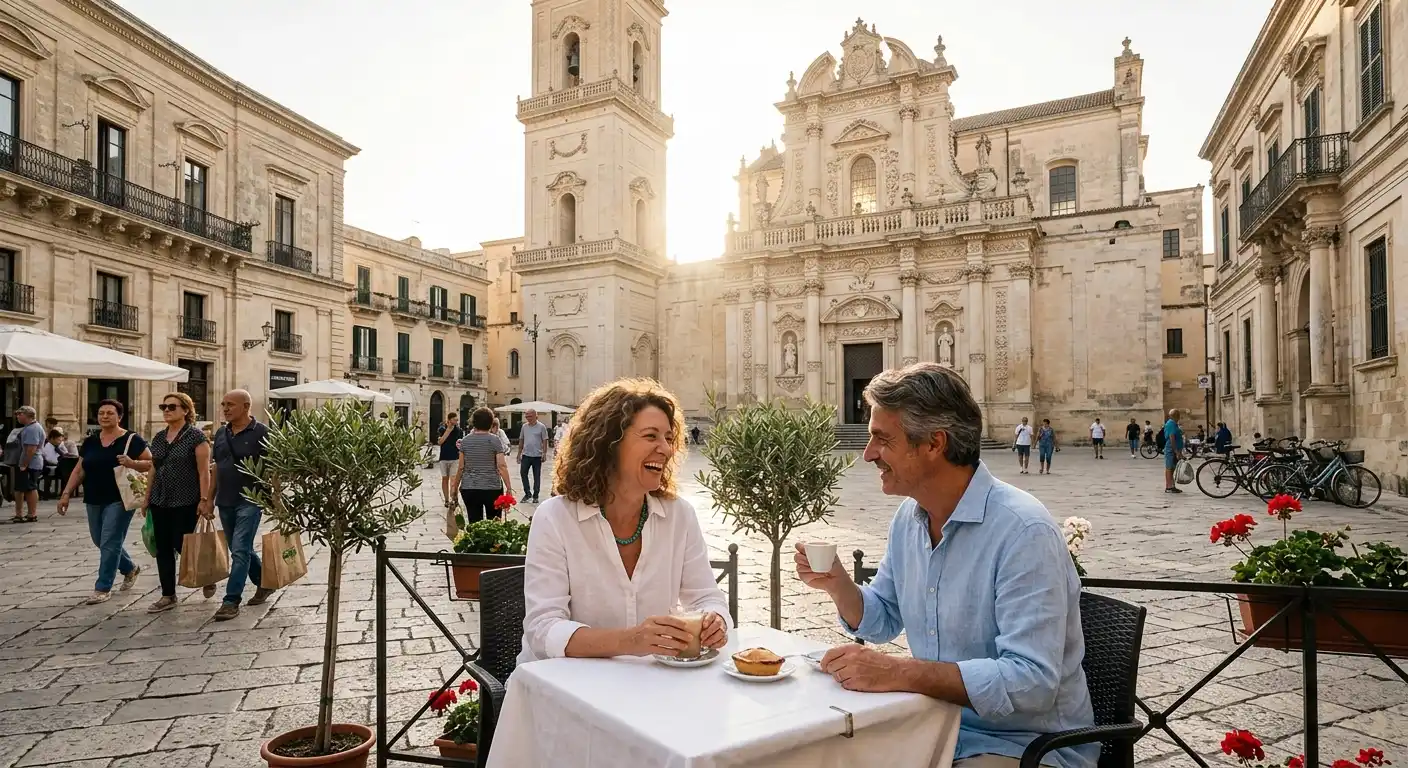
The summer image of Salento — crystal water, long evenings, outdoor everything — is absolutely real from June to September. What catches people off guard is winter. Salento winters are mild by northern European standards (average 10–15°C in January), but the coast empties, many restaurants close, and the social pace slows dramatically in beach towns.
- Lecce is liveable and vibrant year-round — the university keeps the city active in every season
- Coastal towns (Porto Cesareo, Gallipoli) become very quiet from October to May — some buyers find this peaceful; others find it isolating. Punta Prosciutto, a marina of Porto Cesareo, is one of them: it fills up in August, so view the villa we have for sale there in winter too.
- Heating: Italian homes are often underinsulated for winter; budget for upgrading insulation or climate control if you plan to stay year-round
- The shoulder seasons (April–May, September–October) are arguably the best time to experience Salento — warm, uncrowded, and fully operational
What We Tell Every Client Before They Move
After helping international buyers move to Salento since 1994, the advice that makes the biggest difference is always the same: visit in winter before you buy, learn some Italian before you arrive, and build your local support network — accountant, notary, GP, local handyman — before you need it urgently. The life here is extraordinary for those who prepare for it properly.
If you are planning a move and want honest, experienced advice on property, residency, and practical setup, our team is available for a free consultation.
Frequently Asked Questions
Is Salento a good place to live as an expat?
Yes — Salento offers an exceptional quality of life for expats who prepare properly. The climate is mild, the food culture is outstanding, the cost of living is significantly below northern Europe, and the local population is genuinely welcoming. The main challenges are Italian bureaucracy, limited English outside Lecce, and the significant seasonal slowdown in coastal towns from October to May.
Do I need to speak Italian to live in Salento?
You do not need fluent Italian to live in Salento, but basic Italian is strongly recommended. Outside of tourist-facing businesses, English is not widely spoken — especially at government offices, local shops, and healthcare settings. Most expats who thrive in Salento invest in at least A2-level Italian before arriving and continue learning once settled.
What is the cost of living in Salento for expats?
Salento is significantly cheaper than northern Italy, the UK, Germany, and the Netherlands for most daily expenses. A couple can live comfortably in Lecce on €2,000–€2,800/month including rent, groceries, dining out, utilities, and a car. Coastal towns like Porto Cesareo are more expensive in summer due to tourist pricing but cheaper in the off-season. First-year setup costs (accountant, notary, residency administration) typically add €2,000–€4,000 on top.
Free: The Salento Buyer's Checklist & Cost Breakdown
Know exactly what buying property in Salento costs — before you make an offer. Get the free 2026 checklist and total-cost breakdown by email.