The True Cost of Living in Lecce, Italy: A Complete Guide for Expats (2026)
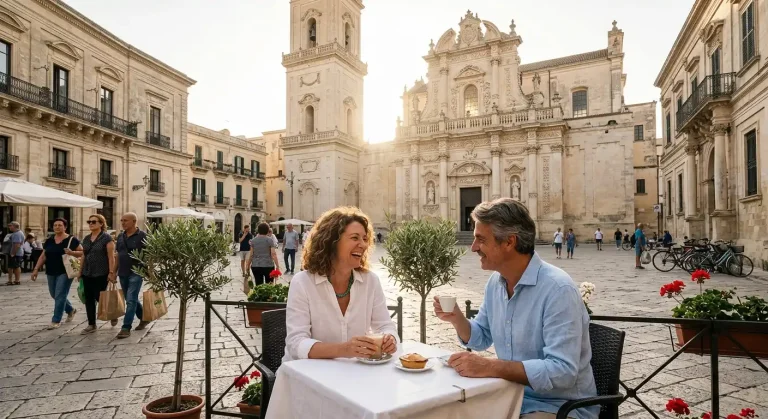
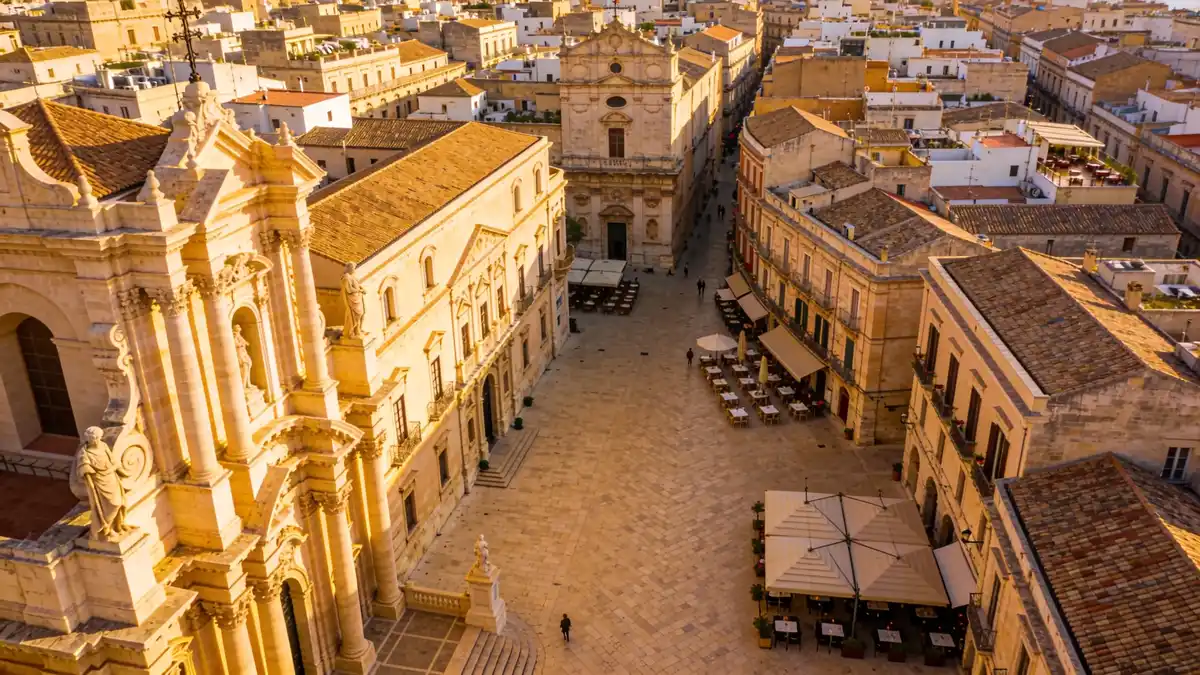
The cost of living Lecce Italy offers makes it one of the most talked-about destinations for expats, remote workers, and retirees looking to relocate to southern Italy. With its extraordinary baroque architecture, warm climate, excellent food, and relatively low cost of living compared to northern Italy or most of Western Europe, the “Florence of the South” offers a quality of life that is hard to match. This guide gives you the real numbers — based on local knowledge — so you can plan your move with confidence.
Is Lecce Expensive to Live In?
Compared to Rome, Milan, or Florence, Lecce is significantly more affordable. Compared to northern European cities, the difference is dramatic. A comfortable lifestyle in Lecce costs roughly 30–40% less than in London, Amsterdam, or Munich — with considerably better weather and food.
Monthly Cost of Living in Lecce: Realistic Estimates
Accommodation
- 1-bedroom apartment, historic centre: €500–€800/month
- 1-bedroom apartment, residential area: €350–€550/month
- 2-bedroom apartment, historic centre: €700–€1,200/month
- 3-bedroom house with garden, outskirts: €600–€900/month
Rents in Lecce have risen in recent years due to growing tourism and expat interest, but they remain well below the Italian average. The historic centre commands a premium — but living among Lecce’s baroque palaces is an experience in itself.
Food and Groceries
- Weekly groceries for one person: €40–€60
- Lunch at a local trattoria: €10–€15
- Dinner for two with wine: €35–€55
- Coffee at the bar: €1.10–€1.30
- Pizza (sit-down): €6–€10
Salento produces some of Italy’s finest olive oil, wine, vegetables, and seafood. Shopping at local markets (the weekly market in Lecce is excellent) significantly reduces grocery costs while improving quality.
Utilities
- Electricity + gas (winter): €120–€180/month
- Electricity (summer, with air conditioning): €80–€140/month
- Water: €20–€35/month
- Internet (fibre): €25–€35/month
- Mobile phone plan: €10–€20/month
Transport
- Monthly bus pass (Lecce city): €30–€45
- Taxi (city centre): €8–€15
- Car ownership (insurance + fuel): €150–€250/month
- Train to Brindisi (45 min): €4–€6 single
Lecce is a very walkable city — the historic centre is compact and most daily errands can be done on foot or by bicycle. A car becomes useful if you want to explore the wider Salento coast regularly.
Healthcare
- GP visit (private): €50–€80
- Specialist visit (private): €80–€150
- Dental cleaning (private): €60–€100
- Health insurance (expat plan): €80–€150/month
EU citizens who register as residents gain access to the Italian national health service (SSN) at low or no cost. Non-EU expats should budget for private health insurance until they qualify for residency-based coverage.
Entertainment and Leisure
- Cinema ticket: €7–€9
- Museum entry: €5–€12
- Gym membership: €30–€50/month
- Aperitivo (spritz + snacks): €5–€8
- Day trip to the coast (fuel/parking): €15–€25
Total Monthly Budget Estimates
| Lifestyle | Monthly Budget | What It Covers |
|---|---|---|
| Minimal | €1,200–€1,500 | Small apartment outside centre, home cooking, no car |
| Comfortable | €1,800–€2,500 | Historic centre apartment, dining out 3x/week, car |
| Generous | €2,500–€3,500+ | Large apartment, frequent travel, full social life |
Lecce vs Other Italian Cities: Cost Comparison
| City | 1-bed rent (centre) | Monthly budget (comfortable) |
|---|---|---|
| Milan | €1,400–€2,000 | €3,500–€4,500 |
| Rome | €1,000–€1,500 | €2,800–€3,800 |
| Florence | €900–€1,400 | €2,500–€3,500 |
| Bologna | €700–€1,100 | €2,200–€3,000 |
| Lecce | €500–€800 | €1,800–€2,500 |
Practical Considerations for Expats Moving to Lecce
Italian residency and visas
EU citizens can move to Lecce freely and register as residents at the local Comune. Non-EU citizens need a visa — Italy’s Digital Nomad Visa (introduced in 2024) is a popular option for remote workers. The Elective Residency Visa suits retirees with passive income above approximately €31,000/year.
Language
English is spoken in tourist areas and by younger Leccesi, but daily life — dealing with bureaucracy, local services, and neighbours — requires at least basic Italian. Language schools in Lecce offer affordable group courses from around €150 per month.
Banking
Opening an Italian bank account requires residency registration. In the meantime, Wise, Revolut, and N26 work well for daily transactions and currency exchange without excessive fees.
Frequently Asked Questions
Is Lecce a good place to retire?
Yes — Lecce is one of Italy’s most popular retirement destinations for northern Europeans. The combination of low cost of living, excellent healthcare, warm climate, outstanding food, and rich cultural life makes it highly attractive. Italy also offers a flat 7% tax rate on foreign pension income for new residents in qualifying southern Italian municipalities.
What is the average salary in Lecce?
Average salaries in Lecce are lower than the Italian national average — typically €1,200–€1,600 net per month for local employment. This makes Lecce particularly attractive for remote workers and retirees earning income from abroad, whose purchasing power is significantly higher than local residents.
How safe is Lecce for expats?
Lecce is one of the safest cities in southern Italy. Violent crime is extremely rare and the city has a strong community feel. Petty theft can occur in busy tourist areas during summer — standard precautions apply as in any Italian city.
Is Lecce expensive to live in?
Lecce is significantly more affordable than Rome, Milan, or Florence, and roughly 30-40% cheaper than London, Amsterdam, or Munich. A comfortable lifestyle in Lecce costs between €1,800 and €2,500 per month including rent, food, utilities and transport.
How much does it cost to rent an apartment in Lecce?
A 1-bedroom apartment in Lecce historic centre costs €500–€800 per month. In residential areas outside the centre, the same size apartment costs €350–€550 per month. A 2-bedroom apartment in the historic centre ranges from €700 to €1,200 per month.
Thinking of Buying Property in Lecce?
Many expats who start by renting in Lecce eventually decide to buy. With property prices in the historic centre ranging from €1,500 to €3,500 per sqm, purchasing can make strong financial sense compared to long-term renting — especially with Italy’s attractive tax incentives for new residents.
Free: The Salento Buyer's Checklist & Cost Breakdown
Know exactly what buying property in Salento costs — before you make an offer. Get the free 2026 checklist and total-cost breakdown by email.