Puglia vs Tuscany vs the Amalfi Coast: Where Should You Buy Property in Italy?
Almost every serious international buyer researching Italian property looks at more than one region before deciding. Tuscany has the name recognition, the Amalfi Coast has the postcard glamour, and Puglia — Salento specifically — has spent the last decade quietly becoming one of Italy’s most searched property destinations, now reportedly the second most searched region for property in Italy after Tuscany itself. If Salento wins you over, our overview of how to buy property in Puglia as a foreigner is the natural next read. Here’s an honest, numbers-based comparison, framed around property investment ROI in Puglia rather than just headline glamour.
Price Per Square Metre — The Real Gap
Tuscany’s regional average sits around €2,500-2,700/sqm, but this masks enormous internal variation: Florence province alone averages over €4,500/sqm — nearly three times Arezzo province at around €1,500/sqm — while prime coastal spots like Forte dei Marmi command €8,000-12,000/sqm. The Amalfi Coast operates in a different tier entirely, with Amalfi itself averaging over €7,000/sqm as of mid-2026. Salento, by comparison, remains genuinely accessible: Lecce’s historic centre averages €1,900-2,500/sqm, Porto Cesareo’s seafront runs €1,800-2,200/sqm, and the countryside starts from €800/sqm — comfortably below Tuscany’s regional average and a fraction of Amalfi Coast pricing.
What You Actually Get for the Money
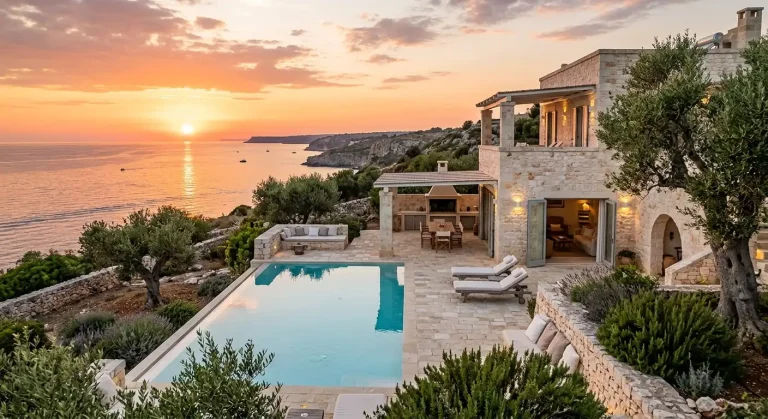
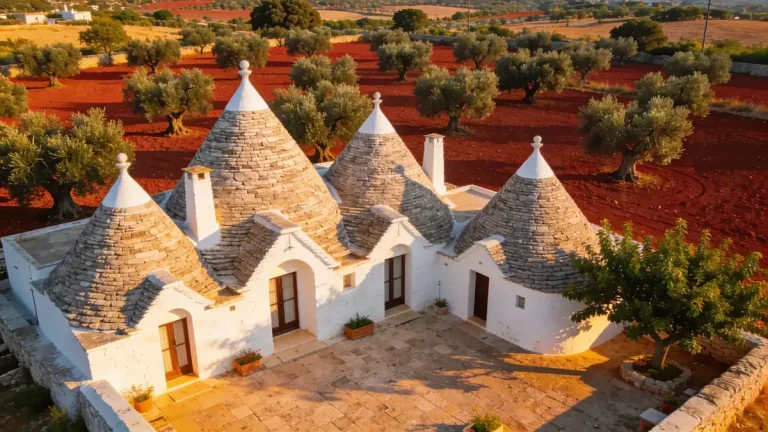
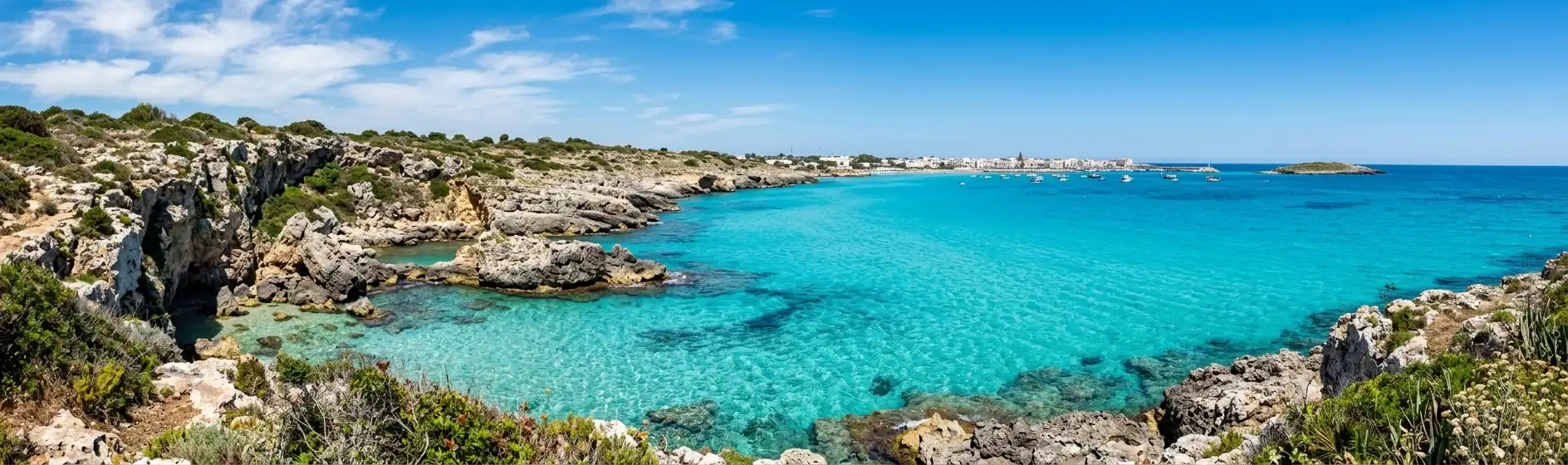
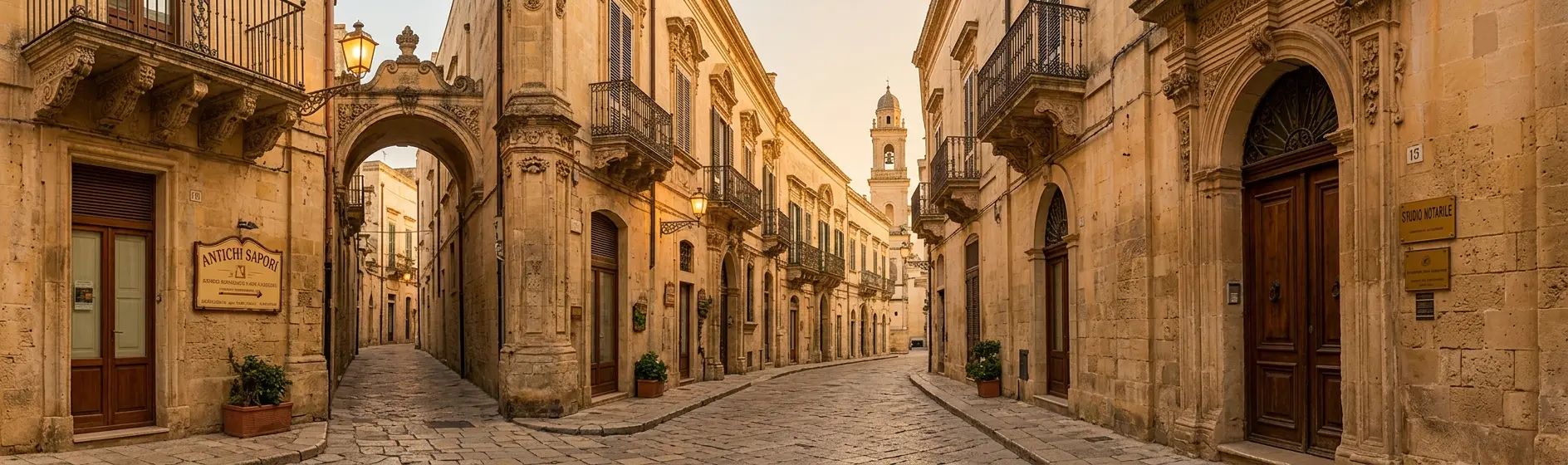
At Amalfi Coast prices, a modest apartment costs what a substantial villa with land costs in Salento. At Tuscany’s regional average, you’re competing with decades of established international demand and infrastructure built specifically around that demand — which cuts both ways: excellent services and resale liquidity, but also higher competition and less room for a genuine bargain. Salento’s relative affordability isn’t a sign of lower quality — baroque Lecce, a coastline split between two seas, and a food and wine culture with its own distinct identity — it reflects a market that is earlier in its international buyer curve, similar to where Tuscany itself was two to three decades ago.
Rental Yield Comparison
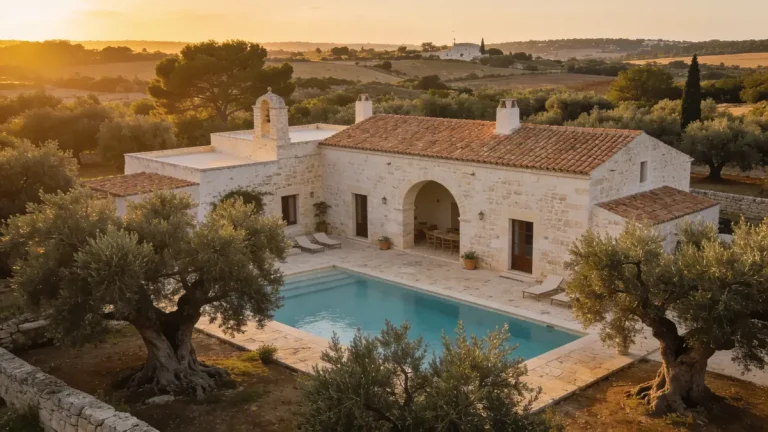
Puglia — Salento in particular — has consistently shown gross rental yields in the 8-14% range in prime holiday areas, with net yields of 5-7% after costs, driven by strong summer tourist demand against a still-developing supply of quality holiday accommodation — see our detailed breakdown of realistic holiday rental income in Salento. Tuscany and the Amalfi Coast, being more mature, higher-price markets, typically show lower yield percentages even where absolute rental income is higher, because the purchase price denominator is so much larger. For buyers prioritising yield over prestige, restored properties like a Salento masseria often deliver numbers that are genuinely competitive against either comparison region.
Capital Appreciation and Market Maturity
Lecce’s centro storico has seen prices rise an estimated 30-50% since 2015 — a meaningful run, but still early compared to the multi-decade international demand that has shaped Tuscan and Amalfi Coast pricing. This cuts two ways: less established markets carry more uncertainty about future demand, but also more room for the kind of appreciation that’s already largely priced into Tuscany and the Amalfi Coast.
Lifestyle Differences That Matter Beyond Price
Tuscany offers rolling countryside, an enormous concentration of art and history, and excellent connectivity to Florence and Pisa airports. The Amalfi Coast offers dramatic cliffside scenery and international glamour, but also narrow roads, seasonal overcrowding, and a genuinely constrained supply of buildable land. Salento offers two coastlines within 30 minutes of each other, a slower and more authentic pace of life, genuinely excellent and affordable food, and — as of 2026 — noticeably less international-buyer saturation than either of the other two.
Frequently Asked Questions
Is Puglia a good alternative to Tuscany for buyers priced out of Tuscany’s main areas?
Yes, for buyers who want genuine value alongside history and culture — Salento offers baroque architecture in Lecce and a distinct culinary and coastal identity at a meaningfully lower price point than most of Tuscany.
Why is the Amalfi Coast so much more expensive than Salento despite both being coastal southern Italy?
Primarily supply constraint and decades of established international luxury demand — the Amalfi Coast has very limited buildable land along a dramatic, narrow coastline, while Salento has a longer coastline and a market that is earlier in its international demand curve.
Does lower price in Salento mean lower quality of life or infrastructure?
No — Lecce is a fully functioning historic city with excellent healthcare, restaurants and services, and the region’s relative affordability reflects market maturity and international awareness rather than any deficit in what’s actually there.
Sources: Investropa — Tuscany Real Estate Market Analysis 2026; Immobiliare.it — mercato immobiliare Toscana e Amalfi 2026.
Free: The Salento Buyer's Checklist & Cost Breakdown
Know exactly what buying property in Salento costs — before you make an offer. Get the free 2026 checklist and total-cost breakdown by email.